Blog articles filed under: General

Blog

What Makes a Treatment Plan Actually Work Long-Term?

Posted February 16, 2026 by Brunswick Chiropractic / Category: General

Blog / General

What Makes a Treatment Plan Actually Work Long-Term?

Posted Monday, Feb 16, 2026 by Brunswick Chiro. Filed under General

Key Takeaways

  • Treatment plans exist to support adaptation, not to lock people into care
  • Early frequency is often about calming pain systems and restoring confidence
  • Plans should change as symptoms, function, and capacity improve
  • Education and movement are essential alongside hands-on care
  • Long-term outcomes focus on resilience and capacity, not just symptom relief

Why Do Treatment Plans Exist?

Treatment plans exist to provide structure and direction in healthcare, rather than to commit someone to ongoing care. They offer a way to map how treatment may progress over time, guided by how the body responds rather than by fixed timelines. This helps ensure care remains purposeful and relevant as symptoms and function change.

Importantly, a treatment plan is a framework for progression, not a sales tool. Musculoskeletal conditions often improve gradually, and having a plan allows care to move through different phases in a considered way, rather than relying on one-off treatments that may only offer short-term relief (Hayden et al., 2021).

Most treatment plans aim to support three key outcomes. Early on, the focus is often on reducing irritation and sensitivity, particularly when pain is limiting movement. As this settles, care can help restore movement and everyday function. Over time, the emphasis shifts toward building long-term capacity, improving the body’s tolerance to activity and load rather than simply chasing pain reduction (Smith et al., 2019).

Good treatment plans are also collaborative and adaptable. They should be reviewed regularly, adjusted based on progress, and aligned with individual goals, ensuring care remains responsive rather than rigid.

Man writing on a piece of paper

Why One-Off Treatments Rarely Create Lasting Change

One-off treatments can sometimes ease discomfort in the short term, but it’s common for symptoms to return once normal daily demands resume. This is because most musculoskeletal issues develop over time and are influenced by more than one factor, making them unlikely to change permanently after a single session.

Tissue Adaptation Takes Time

Muscles, tendons, and joints adapt gradually. While a single treatment may temporarily reduce tension or improve movement, tissues typically require repeated and appropriately dosed input to change their capacity and tolerance. Ongoing exposure, rather than isolated care, is more strongly associated with lasting improvements in pain and function (Hayden et al., 2021).

Nervous System Sensitivity

When pain has been present for weeks or months, the nervous system can become more sensitive to movement or load. One-off care may briefly settle this response, but consistent input is usually needed to help calm heightened sensitivity and support more stable change over time (Pomarensky et al., 2021).

Habitual Movement Patterns

Everyday habits also matter. The way someone sits, lifts, works, or trains can continue to stress sensitive areas, even after short-term relief. Without addressing these patterns through education and gradual movement changes, symptoms often return once daily activities resume.

In many cases, one-off care can be helpful for short-term relief. However, on its own, it rarely supports the sustained changes needed for longer-term outcomes.

The Role of Repeated Exposure and Progressive Loading

Progressive loading is a simple concept, even though it can sound technical. It refers to gradually exposing the body to movement or load in a way that is appropriate for where someone is at, then slowly increasing that challenge as tolerance improves. Rather than avoiding movement or pushing through pain, the aim is to find a level that feels manageable and build from there.

The body adapts through repeated exposure over time. This includes:

  • Gradual exposure, which allows tissues and the nervous system to adjust without becoming overwhelmed
  • Consistent input, so changes have time to settle and build, rather than resetting each week
  • Appropriate challenge, where load or complexity increases slowly as capacity improves

Research suggests this type of approach is more effective for improving function and reducing ongoing pain than passive strategies alone (Smith et al., 2019).

These principles are familiar in everyday life. Strength improves through regular exercise, not a single gym session. Skills such as running, lifting, or even typing become easier through repetition and practice. Recovery from injury follows similar rules. Small, well-timed challenges encourage the body to adapt, rebuild confidence in movement, and improve overall capacity, which is why progressive loading is a central part of many effective treatment plans.

Group of people grabbing kettlebells on the ground

Why Frequency Early On Is Often About Calming Systems, Not “Doing More”

In the early stages of care, treatment frequency is often misunderstood. Seeing someone more often at the beginning is rarely about doing more or pushing the body harder. Instead, this phase is usually focused on helping calm irritated systems and creating a sense of safety around movement.

When pain has been present for a period of time, the body can become more sensitive to everyday loads. Early care often aims to:

  • Reduce perceived threat and sensitivity, helping the body feel safer to move
  • Improve movement confidence, particularly when fear or guarding has developed
  • Support nervous system regulation, allowing responses to settle rather than remain on high alert

During this phase, higher frequency does not mean more aggressive treatment. In many cases, input is gentle, measured, and closely monitored. The goal is to observe how symptoms respond, adjust accordingly, and avoid overwhelming already sensitive tissues or systems.

This approach prioritises safety and reassurance. By checking in regularly, care can be adapted in real time, helping to build trust in the process and in the body’s ability to move without harm. Over time, as sensitivity reduces and confidence improves, the focus and frequency of care typically change to reflect these improvements (Pomarensky et al., 2021).

How Treatment Plans Adapt as Symptoms Change

It’s easy to assume that a treatment plan is something that’s written once and followed step by step. In practice, this is rarely how effective care works. Bodies respond differently, symptoms fluctuate, and progress does not always move in a straight line. For this reason, treatment plans need the flexibility to change as the person’s presentation changes.

One of the clearest indicators that a plan should evolve is symptom response over time. Pain that settles more quickly, becomes less intense, or is easier to manage between visits suggests that the body is adapting. Improvements in function, such as returning to work tasks, exercise, or daily activities with less discomfort, also signal that care can shift focus. Research shows that ongoing reassessment and progression are important for supporting meaningful functional outcomes, rather than maintaining a static approach to care (George et al., 2021).

Goals are another key driver of change within a treatment plan. Early goals often centre on reducing symptoms and improving basic movement. As this phase passes, care commonly transitions toward building physical capacity and tolerance to load. Evidence supports this shift, showing that active rehabilitation and progressive strategies are more effective for longer-term outcomes than symptom-focused care alone (Smeets et al., 2006).

As capacity improves, treatment plans also tend to move from being largely clinician-led to increasingly patient-led. Education, movement strategies, and self-management become more prominent, helping individuals maintain gains independently and respond more confidently to future flare-ups.

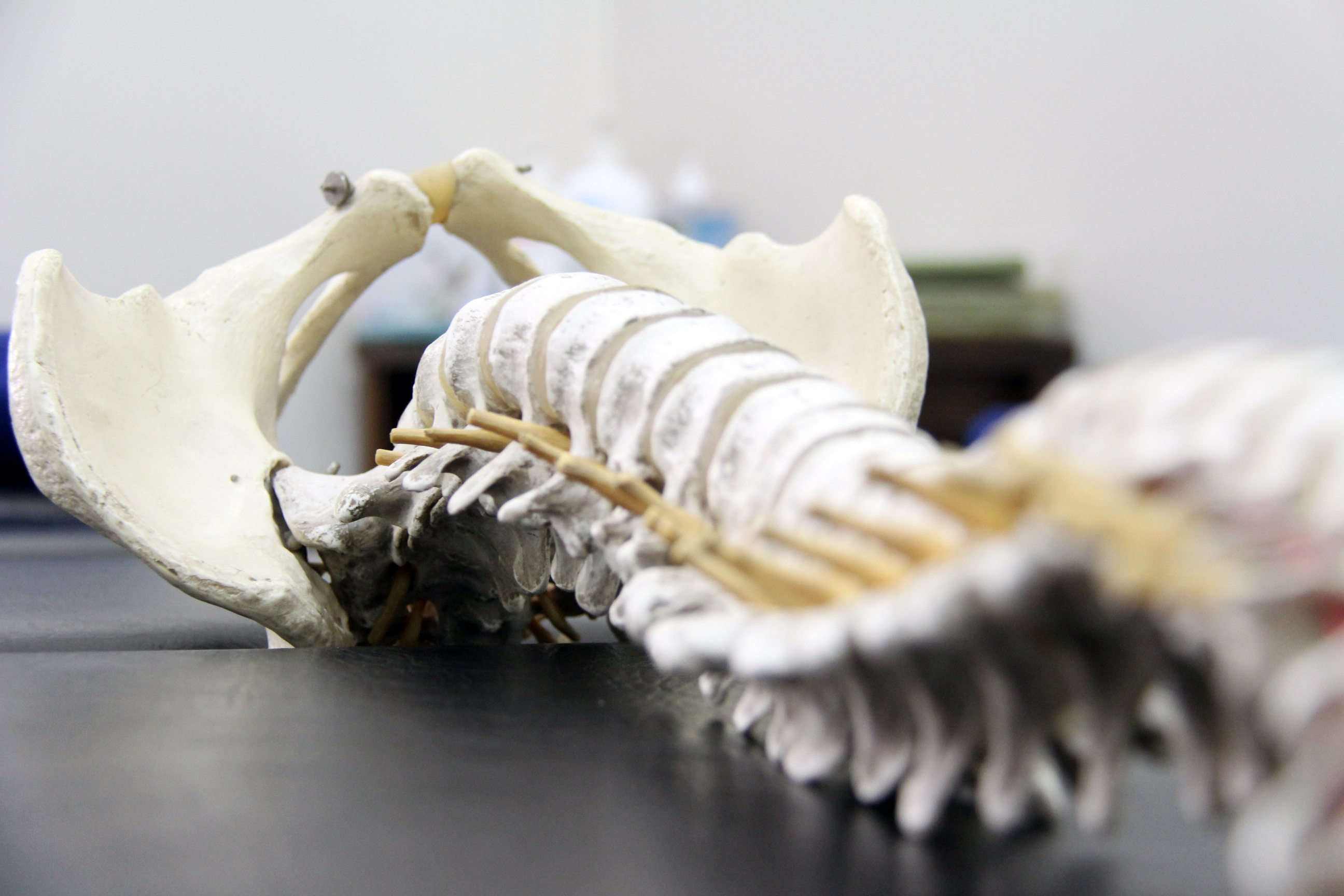
A person pointing at a skeleton and discusing their issues

The Importance of Education and Movement Alongside Hands-On Care

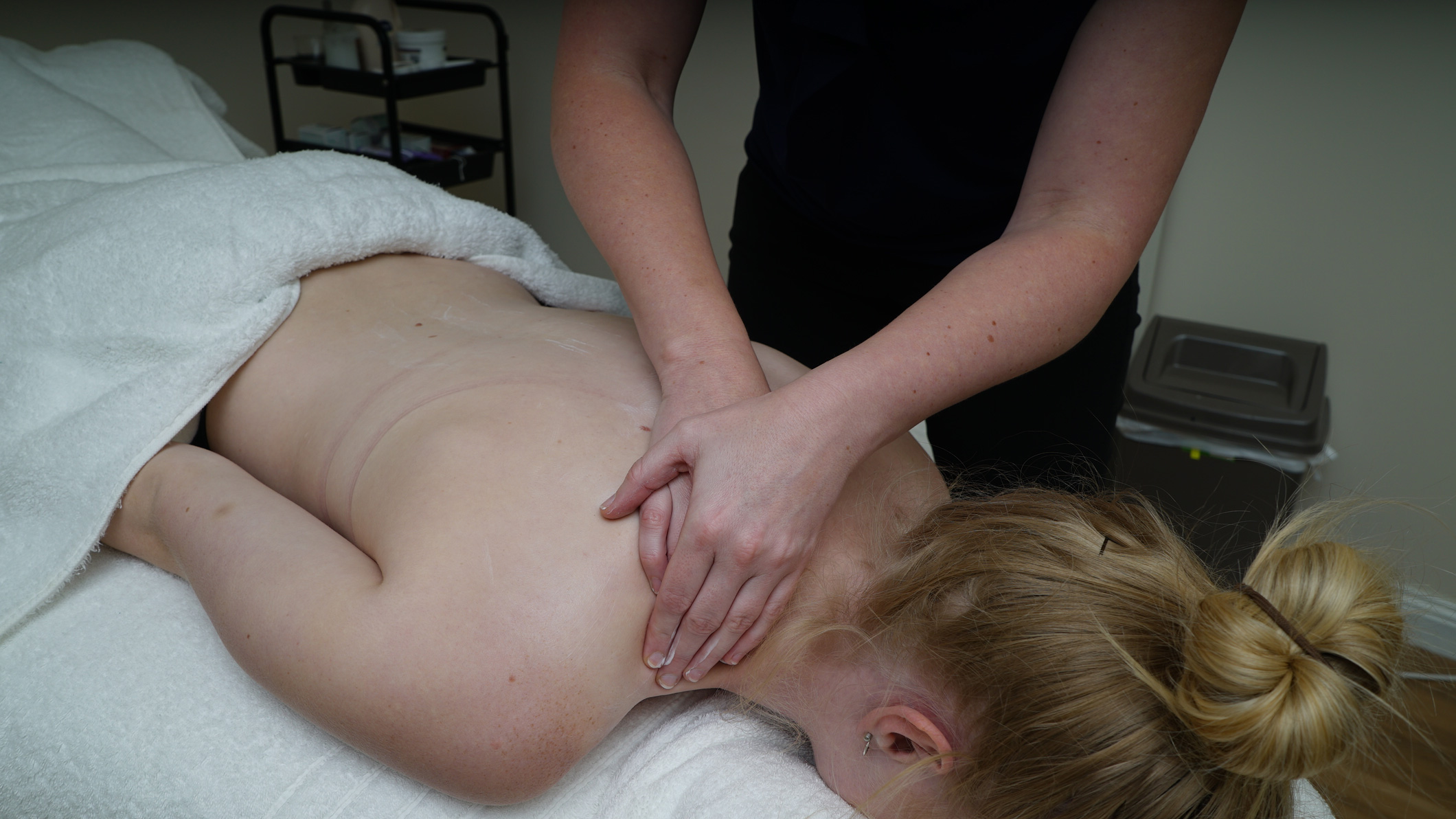
Hands-on care can play a helpful role in reducing discomfort and improving movement, particularly in the early stages of treatment. However, on its own, it is rarely enough to support lasting change. Without addressing how the body moves, responds to load, and interprets pain, improvements are often short-lived once normal activities resume.

Education is a key part of this process. Understanding how pain works, including why symptoms can fluctuate or flare without clear injury, can reduce fear and uncertainty. Pain education has been shown to support better movement confidence and improved outcomes by helping people feel safer engaging in activity rather than avoiding it altogether (Pomarensky et al., 2021).

Movement and strength exercises are equally important. Gradual, well-chosen movement helps reinforce the changes made during hands-on care by improving tissue tolerance and overall capacity. Research consistently shows that active approaches, particularly those that progress over time, are more effective for long-term function than passive treatments alone (Hayden et al., 2021).

Together, education and movement support empowerment and self-management. Rather than relying solely on treatment sessions, individuals are better equipped to understand their symptoms, respond to flare-ups, and continue building resilience outside the clinic.

Why Long-Term Success Is About Restoring Capacity, Not Chasing Pain

It’s common to measure success in healthcare by whether pain is completely gone. While symptom relief is important, aiming to be pain-free at all costs can be limiting. Pain can fluctuate for many reasons, even when tissues are healing and function is improving. Long-term success is often better measured by what the body can do, rather than how it feels on any given day.

What Does “Capacity” Mean?

In this context, capacity refers to the body’s ability to tolerate movement and load with confidence. It includes:

  • Strength, allowing tissues to handle daily and recreational demands
  • Tolerance, meaning activities can be performed without symptoms escalating as easily
  • Confidence in movement, reducing fear and hesitation around normal tasks

Building capacity shifts the focus away from constant symptom monitoring and towards functional improvement.

Why Capacity Matters Long-Term

When capacity improves, everyday activities place less relative stress on the body. This often leads to:

  • Fewer flare-ups, as tissues and systems are better prepared for variation and load
  • Faster recovery, when symptoms do occur
  • Greater independence, with less reliance on ongoing care

Research supports this approach, showing that active, capacity-building strategies are associated with better long-term outcomes than symptom-focused care alone (Smith et al., 2019).

People exercising

A More Sustainable Approach to Care

Effective treatment plans work because they are flexible, goal-driven, and responsive to change. Rather than following a rigid structure, they evolve as symptoms settle, movement improves, and confidence returns. This flexibility allows care to remain relevant at each stage, supporting progress without unnecessary intervention.

At their best, treatment plans are guided by clear goals and a focus on long-term resilience. While short-term symptom relief can be an important starting point, lasting outcomes are more likely when care supports capacity, movement, and self-management over time. Research consistently shows that combining hands-on care with education and active strategies leads to more sustainable improvements than passive approaches alone (Hayden et al., 2021).

At Brunswick Chiro, this approach means working collaboratively with individuals to develop treatment plans that adapt as needs change. By integrating care, education, and active participation, the aim is to support long-term confidence in movement and everyday function, rather than simply chasing symptoms.

Considering Your Next Steps

If you’re unsure what a treatment plan should look like for your situation, the team at Brunswick Chiro can help guide that conversation. Care is centred on understanding your goals, explaining options clearly, and supporting a plan that adapts as your body and needs change.

References

Ampiah PK, Hendrick P, Moffatt F, et al. A physiotherapist-led biopsychosocial education and exercise programme for patients with chronic low back pain in Ghana: A mixed-methods feasibility study. BMC Musculoskelet Disord. 2024;25:1014. https://doi.org/10.1186/s12891-024-08118-1  

American Psychological Association. Chronic musculoskeletal pain: Recommendations for practice. Monitor Psychol. 2025;56(6). https://www.apa.org/monitor/2025/06/chronic-musculoskeletal-pain-practice-guideline  

De la Corte-Rodriguez H, Roman-Belmonte JM, Resino-Luis C, Madrid-Gonzalez J, Rodriguez-Merchan EC. The role of physical exercise in chronic musculoskeletal pain: Best medicine—A narrative review. Healthcare. 2024;12(2):242. https://doi.org/10.3390/healthcare12020242  

George SZ, Fritz JM, Silfies SP, et al. Interventions for the management of acute and chronic low back pain: Revision 2021. J Orthop Sports Phys Ther. 2021;51(11):CPG1–CPG60. https://www.jospt.org/doi/10.2519/jospt.2021.0304  

Hayden JA, Ellis J, Ogilvie R, et al. Exercise therapy for chronic low back pain. Cochrane Database Syst Rev. 2021;9:CD009790. https://www.cochranelibrary.com/cdsr/doi/10.1002/14651858.CD009790.pub2  

Hayden JA, Wilson MN, Stewart S, et al. Exercise treatment effect modifiers in chronic low back pain: An individual participant data meta-analysis. Ann Phys Rehabil Med. 2021;66(2):101636. https://pubmed.ncbi.nlm.nih.gov/34580864/  

Mauck MC, Smith CA, Jones MR. Evidence-based interventions to treat chronic low back pain. Pain Med. 2022;23(Suppl 1):S57–S66. https://www.ncbi.nlm.nih.gov/pmc/articles/PMC9529058/  

Núñez-Cortés R, Salazar-Méndez J, Nijs J. Physical activity as a central pillar of lifestyle modification in the management of chronic musculoskeletal pain: A narrative review. J Clin Med. 2025;14(2):183. https://www.mdpi.com/2411-5142/10/2/183  

Post AA, O’Neill S, et al. Effect of pain education and exercise on pain and function in Achilles tendinopathy: Protocol for a randomised controlled trial. JMIR Res Protoc. 2020;9(8):e19111. https://www.ncbi.nlm.nih.gov/pmc/articles/PMC7678911/  

Pomarensky M, Brenton-Rule A, Rome K. Management of chronic musculoskeletal pain through a biopsychosocial approach. J Pain Res. 2021;14:1889–1901. https://www.ncbi.nlm.nih.gov/pmc/articles/PMC9020600/  

Ribeiro DBG, Ferraz DD, et al. Effectiveness of multimodal circuit exercises for chronic musculoskeletal pain in older adults: A randomised controlled trial. Clin Interv Aging. 2022;17:1459–1472. https://www.ncbi.nlm.nih.gov/pmc/articles/PMC9433943/  

Smith BE, Hendrick P, Smith TO, et al. Musculoskeletal pain and exercise—Challenging existing paradigms. Br J Sports Med. 2019;53(14):907–908. https://bjsm.bmj.com/content/53/14/907  

Smeets RJEM, Vlaeyen JWS, Hidding A, et al. Active rehabilitation for chronic low back pain: Cognitive-behavioural, physical, or both? First direct post-treatment results from a randomised controlled trial. BMC Musculoskelet Disord. 2006;7:5. https://www.ncbi.nlm.nih.gov/pmc/articles/PMC1382224/  

Zaglauer K, Stein M, et al. Effect of a multimodal pain therapy concept including active interventions on pain intensity and disability. Pain Res Manag. 2025;2025:6693678. https://onlinelibrary.wiley.com/doi/10.1155/prm/6693678  

Frequently Asked Questions about Treatment

Q. Why can symptoms improve and then return?

A. Symptoms can fluctuate for many reasons, even when tissues are healing. Changes in activity levels, stress, sleep, or workload can temporarily increase sensitivity. This does not always mean something has been re-injured. It often reflects how the nervous system and tissues respond to changing demands rather than ongoing damage.

Q. How long does it usually take to see lasting change?

A. There is no single timeframe that applies to everyone. Lasting change depends on factors such as the nature of the issue, how long symptoms have been present, daily demands, and how consistently movement and self-management strategies are applied. Progress is often gradual rather than immediate.

Q. Do treatment plans mean ongoing care forever?

A. No. Treatment plans are not designed to lock people into care indefinitely. They are intended to provide structure during different phases of recovery and are adjusted as goals are met. As confidence and capacity improve, care often reduces or shifts toward independent strategies.

Q. What happens if my goals or symptoms change?

A. Treatment plans should be reviewed and adapted when goals or symptoms change. New priorities, lifestyle demands, or unexpected flare-ups may require adjustments to the approach. Ongoing communication helps ensure care remains aligned with what matters most to you.

Q. Is some discomfort normal when returning to movement or activity?

A. Mild or short-lived discomfort can be a normal part of rebuilding tolerance, especially after a period of reduced activity. This does not always indicate harm. Understanding what is expected versus what may need review is an important part of self-management.

Q. What can I do between appointments to support progress?

A. Simple strategies such as staying active within comfortable limits, following recommended movement or exercise guidance, and maintaining regular routines can support progress. Education around pacing, recovery, and flare-up management can also help reinforce gains made during care.


Older Posts...

How Long Should Back or Neck Pain Treatment Actually Take?

Posted February 09, 2026 by Brunswick Chiropractic / Category: General

Blog / General How Long Should Back or Neck Pain Treatment Actually Take? Posted Monday, Feb 9, 2026 by Brunswick Chiro. Filed under General Key Takeaways There is no single “correct” numb...

Read more

Transform Your Posture in 5 Easy Moves

Posted February 02, 2026 by Brunswick Chiropractor / Category: General

Blog / Conditions Transform Your Posture in 5 Easy Moves Posted Monday, Feb 2, 2026 by Brunswick Chiro. Filed under Conditions Key Takeaways Poor posture may contribute to discomfort, sti...

Read more

Desk Work, Stress & Cortisol: Why Sitting All Day Leaves You Wired, Tired, and Sore

Posted January 26, 2026 by Brunswick Chiropractic / Category: General

Blog / GeneralDesk Work, Stress & Cortisol: Why Sitting All Day Leaves You Wired, Tired, and SorePosted Monday, Jan 26, 2026 by . Filed under GeneralKey TakeawaysProlonged desk sitting and poor po...

Read more

How Desk Sitting Affects Your Health plus 7 Practical Ways to Manage It

Posted January 19, 2026 by Brunswick Chiropractic / Category: General

Blog / General How Desk Sitting Affects Your Health + 7 Practical Ways to Manage It Posted Monday, Jan 19, 2026 by Brunswick Chiropractic. Filed under General Key Takeaways Desk sitting m...

Read more

The “Helium Balloon” Posture Reset: A Simple Desk Tip for Office Workers

Posted January 12, 2026 by BrunswickChiropractic / Category: General

Blog / General The “Helium Balloon” Posture Reset: A Simple Desk Tip for Office Workers Posted Monday, Jan 12, 2026 by Brunswick Chiro. Filed under General Key Takeaways A posture cue...

Read more

Why Desk Pain Doesn’t Magically Reset in January | Chiropractor Insights

Posted January 05, 2026 by Brunswick Chiropractic / Category: General

Blog / GeneralWhy Desk Pain Doesn’t Magically Reset in January | Chiropractor InsightsPosted Monday, Jan 5, 2026 by Brunswick Chiropractic. Filed under GeneralKey TakeawaysDesk pain is caused by dai...

Read more

Staying Ahead of Pain: The Preventive Role of Chiropractic Care and Osteopathy

Posted December 29, 2025 by Brunswick Chiropractic / Category: General

Blog / General Staying Ahead of Pain: The Preventive Role of Chiropractic and Osteopathy Posted Monday, Dec 29, 2025 by Brunswick Chiropractic. Filed under General Key Takeaways Musculoskeleta...

Read more

Self-Care Over the Silly Season: Staying Well at Christmas

Posted December 22, 2025 by Brunswick Chiropractic / Category: General

Blog / General Self-Care Over the Silly Season: Staying Well at Christmas Posted Monday, Dec 22, 2025 by Brunswick Chiro. Filed under General Key Takeaways Self-care is the best gift you ca...

Read more

Health Is Wealth: Prioritise Prevention Over Cure!

Posted December 15, 2025 by Brunswick Chiropractic / Category: General

Blog / General  Health Is Wealth: Prioritise Prevention Over Cure! Posted Monday, Dec 15, 2025 by Brunswick Chiro. Filed under General Key Takeaways Prevention is more effective than treati...

Read more

How Osteopathy Helps Manage Sciatica Symptoms

Posted December 08, 2025 by Dr Alicia Cannon (Osteopath) / Category: General

Blog / General How Osteopathy Helps Manage Sciatica Symptoms Posted Monday, Dec 8, 2025 by Dr Alicia Cannon (Osteopath). Filed under General Key Takeaways Sciatica refers to nerve pain radiating...

Read more

That Just a Niggle Feeling vs. Real Pain: When to See a Chiro or Osteo in Brunswick

Posted December 01, 2025 by Brunswick Chiropractic / Category: General

Blog / General That "Just a Niggle" Feeling vs. Real Pain: When to See a Chiro or Osteo in Brunswick Posted Monday, Dec 1, 2025 by Brunswick Chiropractic. Filed under General Key Takeaways Pain ...

Read more

What Happens During Your First Chiropractic Visit?

Posted November 24, 2025 by Dr David Cannon (Chiropractor) / Category: General

Blog / GeneralWhat Happens During Your First Chiropractic Visit?Posted Monday, Nov 23, 2025 by Dr David Cannon (Chiropractor). Filed under GeneralKey Takeaways:Your first visit is designed to assess y...

Read more

Avoid These Mistakes After Your Injuries

Posted November 17, 2025 by Dr David Cannon (Chiropractor) / Category: General

Blog / General Avoid These Mistakes After Your Injuries Posted Monday, Nov 17, 2025 by David Cannon (Chiropractor). Filed under General Key Takeaways: Ignoring injuries or self-managing without ...

Read more

Hip Exercises for Pain Relief: 3 Steps to Improve Mobility

Posted November 03, 2025 by Brunswick Chiropractic / Category: General

Blog / General Hip Exercises for Pain Relief: 3 Steps to Improve Mobility Posted Monday, Nov 3, 2025 by Brunswick Chiro. Filed under General Key Takeaways: Hip pain can stem from various causes ...

Read more

How Brunswick Chiropractic supports expectant mothers through pregnancy.

Posted October 27, 2025 by Dr David Cannon (Chiropractor) / Category: General

Blog / General How Brunswick Chiropractic supports expectant mothers through pregnancy Posted Monday, Oct 27, 2025 by Dr David Cannon (Chiropractor). Filed under General Key Takeaways: Pregnancy...

Read more

What Causes Workplace Injuries? The Office Worker\'s Guide to Prevention
What Causes Workplace Injuries? The Office Worker's Guide to Prevention

Posted October 20, 2025 by Brunswick Chiro / Category: General

Blog / General What Causes Workplace Injuries? The Office Worker's Guide to Prevention Posted Monday, Oct 20, 2025 by Brunswick Chiro. Filed under General Key Takeaways Prolonged sitting we...

Read more

What Is Myotherapy and How Can It Help You?

Posted October 06, 2025 by Brunswick Chiropractor / Category: General

Blog / General What Is Myotherapy and How Can It Help You? Posted Monday, Oct 6, 2025 by Brunswick Chiro. Filed under General Key Takeaways Myotherapy is a form of manual therapy focusing o...

Read more

Nature for Mental Wellbeing: The Urban Living Edit

Posted September 22, 2025 by Dr Cloe Crowhurst (Osteopath) / Category: General

Blog / General Nature for Mental Wellbeing: The Urban Living Edit Posted Monday, Sep 22, 2025 by Dr Cloe Crowhurst (Osteopath). Filed under General Key Takeaways Biophilic design brings nat...

Read more

Nature for Mental Wellbeing: Connecting with Our Planet

Posted September 15, 2025 by Dr Cloe Crowhurst / Category: General

Blog / General Nature for Mental Wellbeing: Connecting with Our Planet Posted Monday, Sep 15, 2025 by Dr Cloe Crowhurst (Osteopath). Filed under General Key Takeaways • Nature is a powerful...

Read more